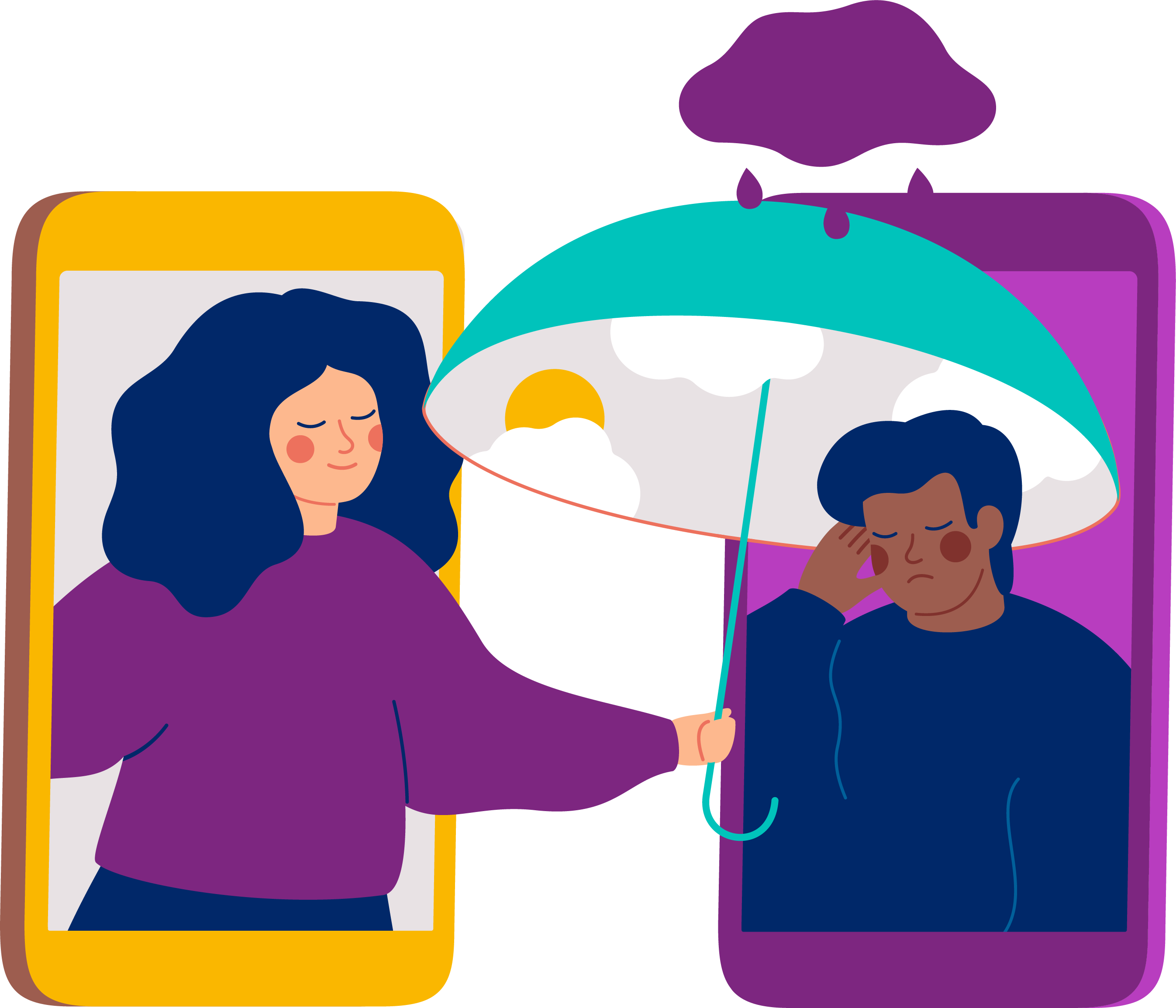

Take psychosocial risk off the back burner
Practical workplace training and consulting to help leaders, HR, WHS and managers better understand neurodivergence, reduce psychosocial risk and create safer, more inclusive workplaces.
Psychosocial hazards are not just extreme incidents. They often appear in the ordinary systems, behaviours and pressures of a workplace. They can include high or unrealistic job demands, unclear roles or expectations, poor communication, low manager or team support, bullying, exclusion or unfair treatment, poorly managed change, unsafe or overwhelming work environments, and lack of training or understanding around neurodivergence. For neurodivergent employees, these risks can be amplified when workplaces do not understand communication, organisation, focus, sensory load, task management, disclosure or confidence at work.
Creating a safe and inclusive workplace means more than good intentions it requires attention to both psychosocial safety and psychological safety.
Psychosocial safety
Psychosocial safety is about the work itself.
It focuses on how work is designed, organised, and managed, and how these factors affect people’s mental health and wellbeing over time.
Psychosocial safety looks at things like:
- workload and time pressure
- job clarity and expectations
- change management
- support from managers
- workplace behaviour and systems
- the physical and sensory environment
When psychosocial safety is strong, work demands are reasonable, roles are clear, support is available, and stressors are identified and reduced.
Psychological safety
Psychological safety is about how safe people feel with other people.
It refers to whether employees feel comfortable speaking up, asking questions, sharing ideas, disclosing needs, or making mistakes without fear of embarrassment, blame, or negative consequences.
Psychological safety shows up in:
- team culture
- leadership behaviour
- everyday interactions
- how mistakes and feedback are handled
When psychological safety is present, people feel heard, respected, and included.
Neurodivergent employees, including people with dyslexia, ADHD, and autism, bring valuable strengths to the workplace. At the same time, they may experience challenges when work environments, systems, or expectations are not designed with different ways of thinking and working in mind.
We support organisations to better understand psychological safety through a neurodivergent lens. Our approach focuses on helping leaders recognise how everyday work practices, communication styles, and workplace design can impact neurodivergent employees and how thoughtful, practical changes can make a meaningful difference.
Grounded in lived experience and evidence, our work helps organisations create workplaces where neurodivergent employees feel supported, valued, and able to do their best work.