Why am I so tired?

Nuerodivergent Burnout
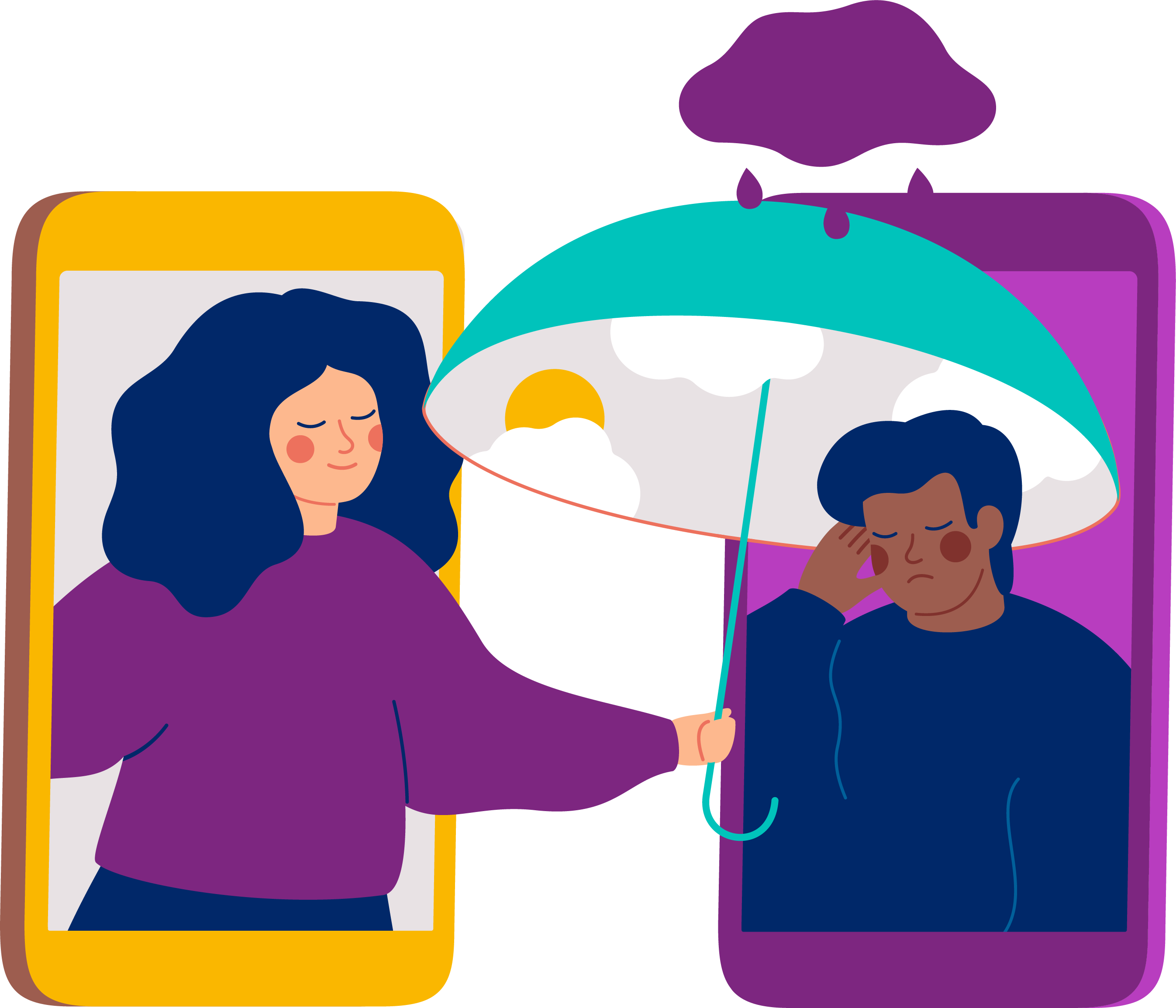
Understanding Neurodivergent Burnout

Neurodivergent people, including those with ADHD, autism, dyslexia, and other learning differences, often face unique challenges in environments not designed for their needs. This can lead to a specific kind of exhaustion known as neurodivergent burnout.
What is Neurodivergent Burnout?
It’s more than just feeling tired. Neurodivergent burnout is a deep mental, physical, and emotional exhaustion that can make it hard to function day-to-day. It’s often caused by ongoing stress, pressure to “mask” or hide differences, and a lack of support or understanding.
What Leads to Neurodivergent Burnout?
Workplace factors:
- Feeling unsafe to share your neurodivergence or ask for support
- Pressure to hide your needs
- Sensory overload (noise, lights, crowds)
- Inflexible or high-pressure environments
- Excessive workload and unrealistic expectations
- Lack of control over tasks or schedule
Personal factors:
- Trying to fit in or hiding your true self
- Major life changes (e.g., COVID-19, pregnancy, perimenopause)
- Relationship challenges or becoming a parent
- Starting a new job or role
- Feeling overwhelmed or needing extra sleep
- Illness, grief, or loss
The “Boom-and-Bust” Cycle
Many neurodivergent people experience a “boom-and-bust” cycle: periods of intense focus and productivity (“boom”), followed by exhaustion and burnout (“bust”). This cycle can be worsened by ignoring your body’s cues, external pressures, or trying to “people please.”
Preventing Burnout: What Can Help?
In the workplace:
- Flexible hours and reasonable deadlines
- Clear, direct communication
- Options for remote or quiet workspaces
- Access to assistive technologies
- Regular check-ins with supportive supervisors or mentors
- Professional coaching, counseling, or peer support
- Workplace-wide training on neurodivergence
In daily life:
- Take small, regular breaks to prevent fatigue
- Do things that are meaningful to you—hobbies, interests, or strengths
- Adjust your sensory environment (e.g., noise-cancelling headphones)
- Use helpful tools and apps for reminders, writing, or speech-to-text
- Practice mindfulness and self-compassion
- Set boundaries and communicate your energy limits
- Prioritise sleep, activity, and nutrition
Recovering from Burnout

Recovery takes time, rest, and support. For neurodivergent people, this might mean:
- Taking breaks from high-stress tasks
- Asking for changes to make work or study more manageable
- Being in environments where you can be yourself
Workplaces can help by recognising burnout early, addressing sources of stress, and building understanding of neurodiversity. Support works best when solutions are created together, policies are flexible, and help is offered early.
Seek Support
Contact us on our free Confidential Helpline: 1800 13 NEAP (6327) and speak with one of our Mental Health Consultants or email us at [email protected]
External Supports
- Speak with a mental health professional (your GP can provide a referral)
- Beyond Blue: Mental Health and Burnout
- JobAccess Australia: https://www.jobaccess.gov.au/
Recommended Resources
- Self-Care for Autistic People — Dr Megan Anna Neff
- The Neurodivergent Skills Workbook for Autism and ADHD — Jennifer Kemp, Monique Mitchelson & Sonny Jane Wise
- The Dyslexia Workbook for Adults — Gavin Reid
- Executive Functioning Workbook for Adults – Dr Blythe Grossberg
Want to learn more?
Read our full explainer for practical strategies, workplace tips, and ways to recover from burnout. Download our guide.
This guide has been developed by the re:think dyslexia team and reviewed by our Lived Experience and Subject Matter Advisory committee, including:
Neurodivergent Advisors: Jacquie
Subject Matter Advisor: Angela Penton, Be Human HR
Download our guide.
References
- Aid, M.H.F. Navigating burnout: Tips for mental health. 2024 [cited 2024 3 August]; Available from: https://www.mhfa.com.au/navigating-burnout/.
- Wissell, S., et al., “You Don’t Look Dyslexic”: Using the Job Demands-Resource Model of Burnout to Explore Employment Experiences of Australian Adults with Dyslexia. International Journal of Environmental Research and Public Health, 2022. 19(17): p. 10719.
- Turjeman-Levi, Y., G. Itzchakov, and B. Engel-Yeger, Executive function deficits mediate the relationship between employees’ ADHD and job burnout. AIMS public health, 2024. 11(1): p. 294–314.
- Ali, D., et al., Burnout as experienced by autistic people: A systematic review. Clinical Psychology Review, 2025. 122: p. 102669.
- Kemp. J, M., M, Wise, S.J. , Neurodivergence Skills Workbook for Autism and ADHD, The: Cultivate Self-Compassion, Live Authentically, and Be Your Own Advocate. 2024, Calafornia: New Harbinger.
- Raymaker, D., et al., “Having All of Your Internal Resources Exhausted Beyond Measure and Being Left with No Clean-Up Crew”: Defining Autistic Burnout. Autism in Adulthood, 2020. 2.
- Kustow, J., How to Thrive with Adult ADHD: 7 Pillars for Focus, Productivity and Balance. 2024, London Ebury Publishing. 336.
- Black, M.H., et al., Resilience in the face of neurodivergence: A scoping review of resilience and factors promoting positive outcomes. Clinical Psychology Review, 2024. 113: p. 102487.
- Miserandios, C., . The Spoon Theory: Byt you dont look sick. 2003, Lymphoma Action: Aylesbury. p. 3.
- Neff, M.A., Self-Care for Autistic People: 100+ Ways to Recharge, De-Stress, and Unmask! . 2024, New York: Adams Media.
- Wilson, R.B., et al., Autistic women’s experiences of self-compassion after receiving their diagnosis in adulthood. Autism : the international journal of research and practice, 2023. 27(5): p. 1336–1347.
References
- Aid, M.H.F. Navigating burnout: Tips for mental health. 2024 [cited 2024 3 August]; Available from: https://www.mhfa.com.au/navigating-burnout/.
- Wissell, S., et al., “You Don’t Look Dyslexic”: Using the Job Demands-Resource Model of Burnout to Explore Employment Experiences of Australian Adults with Dyslexia. International Journal of Environmental Research and Public Health, 2022. 19(17): p. 10719.
- Turjeman-Levi, Y., G. Itzchakov, and B. Engel-Yeger, Executive function deficits mediate the relationship between employees’ ADHD and job burnout. AIMS public health, 2024. 11(1): p. 294–314.
- Ali, D., et al., Burnout as experienced by autistic people: A systematic review. Clinical Psychology Review, 2025. 122: p. 102669.
- Kemp. J, M., M, Wise, S.J. , Neurodivergence Skills Workbook for Autism and ADHD, The: Cultivate Self-Compassion, Live Authentically, and Be Your Own Advocate. 2024, Calafornia: New Harbinger.
- Raymaker, D., et al., “Having All of Your Internal Resources Exhausted Beyond Measure and Being Left with No Clean-Up Crew”: Defining Autistic Burnout. Autism in Adulthood, 2020. 2.
- Kustow, J., How to Thrive with Adult ADHD: 7 Pillars for Focus, Productivity and Balance. 2024, London Ebury Publishing. 336.
- Black, M.H., et al., Resilience in the face of neurodivergence: A scoping review of resilience and factors promoting positive outcomes. Clinical Psychology Review, 2024. 113: p. 102487.
- Miserandios, C., . The Spoon Theory: Byt you dont look sick. 2003, Lymphoma Action: Aylesbury. p. 3.
- Neff, M.A., Self-Care for Autistic People: 100+ Ways to Recharge, De-Stress, and Unmask! . 2024, New York: Adams Media.
- Wilson, R.B., et al., Autistic women’s experiences of self-compassion after receiving their diagnosis in adulthood. Autism : the international journal of research and practice, 2023. 27(5): p. 1336–1347.

Taking care of your mental health is not only about getting professional support, but you also need to do some work on your own.
That can also be a great place to start if you’re not ready to talk to others about what you’re feeling.
The Federal Government provides a list of online therapy options, some of which you can access for free, that can help you get started on looking after your mental health.
Importantly, you can do these at home and in private. They’re also things that you can do late at night or on the weekends, and they’re available wherever you can get the internet.
Take a look at Mental Health Online, to get started.