Neurodivergence and Burnout
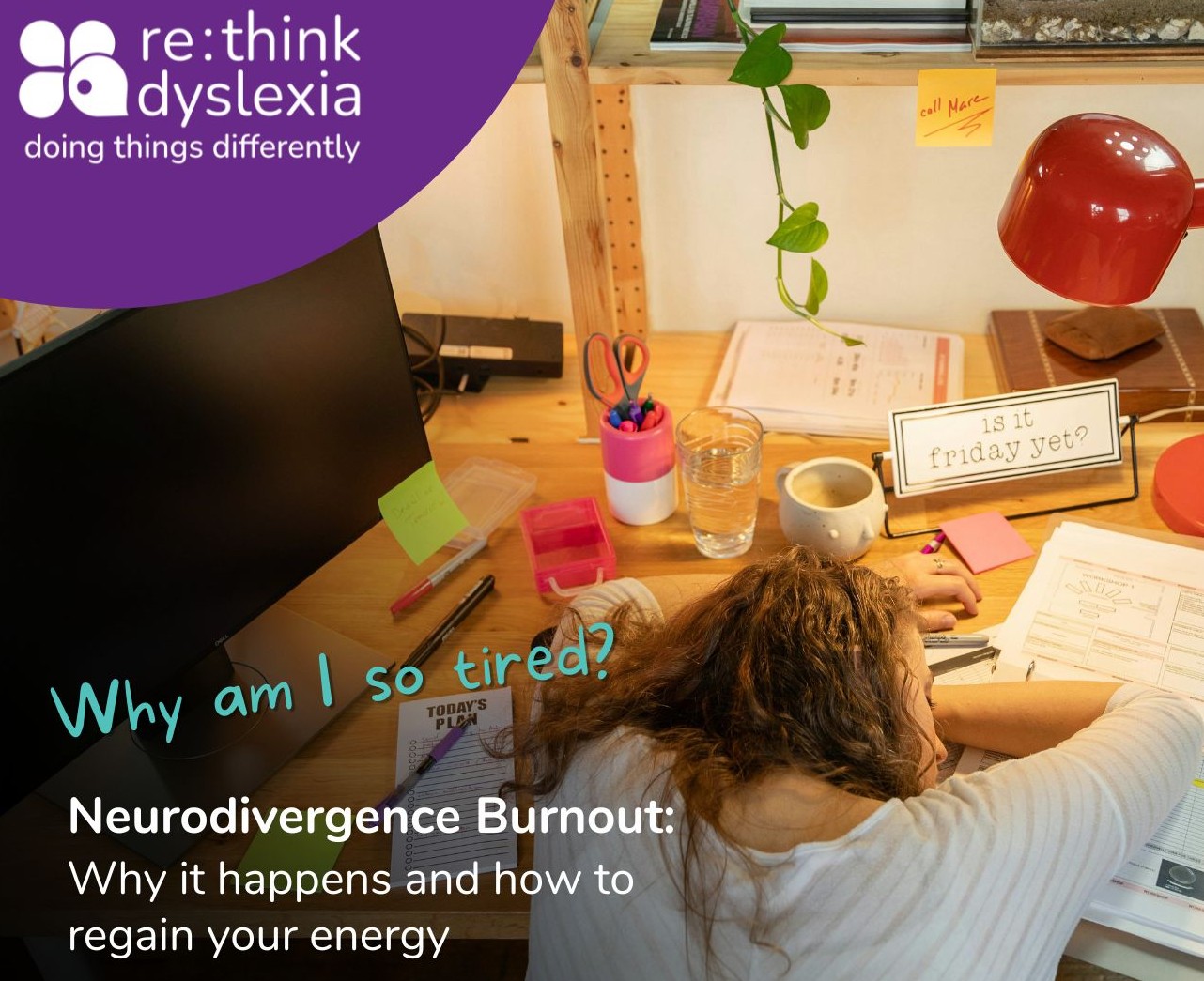

Neurodivergence Burnout:
Why it happens and how to regain your energy
Neurodivergence describes natural differences in how people think, learn, and experience the world—including ADHD, autism, and dyslexia. While these differences bring unique strengths, neurodivergent people often face environments that aren’t designed for their needs. This can lead to higher stress, mental fatigue, and a greater risk of burnout.
What is Burnout?
Burnout is a state of physical, emotional, or mental exhaustion caused by ongoing stress. For neurodivergent people, burnout can look like extreme tiredness, trouble concentrating, feeling overwhelmed, increased anxiety, irritability, and difficulty managing daily tasks. It’s often misunderstood or misdiagnosed, especially in the dyslexia and learning difficulties community.
Burnout for neurodivergent individuals can look like exhaustion, trouble concentrating, feeling overwhelmed, or struggling with daily tasks. Factors such as masking, sensory overload, and inflexible workplaces can make burnout more likely and harder to recover from.
Why Are Neurodivergent People at Greater Risk?
Workplaces and educational settings often lack understanding and support for neurodivergence. Neurodivergent individuals may feel pressure to hide their differences (“masking”), work harder to fit in, or navigate inflexible environments. These factors, combined with personal challenges and major life changes, can make burnout more likely. Supportive strategies like pacing your energy, setting boundaries, and creating inclusive environments can help prevent burnout and support wellbeing.
Practical Strategies for Preventing Burnout
- Pace your energy: Use Spoon Theory to prioritise tasks and plan rest.
- Set boundaries: Communicate your energy limits to others.
- Adjust your environment: Reduce sensory overload and use assistive technologies.
- Take breaks: Schedule regular rest and do activities you enjoy.
- Seek support: Reach out to mental health professionals, use workplace programs, and connect with peer support.
How Workplaces Can Help
Supportive workplaces recognise burnout early, offer flexible policies, and build neurodiversity awareness. Strategies include:
- Flexible hours and deadlines
- Clear communication
- Quiet workspaces or remote options
- Access to assistive tech and coaching
- Regular check-ins and training for staff
Recovery and Support
Recovering from burnout requires rest, validation, and supportive environments. With understanding and inclusive practices, neurodivergent people can thrive. It’s time to shift the focus from asking neurodivergent people to change instead, let’s create environments that work for everyone.
Need support?
Contact our free Confidential Helpline: 1800 13 NEAP (6327) or email hello@rethinkdyslexia.com.au.
References
Turjeman-Levi, Y., G. Itzchakov, and B. Engel-Yeger, Executive function deficits mediate the relationship between employees’ ADHD and job burnout. AIMS public health, 2024. 11(1): p. 294–314. Ali, D., et al.,
Burnout as experienced by autistic people: A systematic review. Clinical Psychology Review, 2025. 122: p. 102669.
Kemp. J, M., M, Wise, S.J. , Neurodivergence Skills Workbook for Autism and ADHD, The: Cultivate Self-Compassion, Live Authentically, and Be Your Own Advocate. 2024, Calafornia: New Harbinger.
Raymaker, D., et al., “Having All of Your Internal Resources Exhausted Beyond Measure and Being Left with No Clean-Up Crew”: Defining Autistic Burnout. Autism in Adulthood, 2020. 2.
Kustow, J., How to Thrive with Adult ADHD: 7 Pillars for Focus, Productivity and Balance. 2024, London Ebury Publishing. 336.
Black, M.H., et al., Resilience in the face of neurodivergence: A scoping review of resilience and factors promoting positive outcomes. Clinical Psychology Review, 2024. 113: p. 102487.
Miserandios, C., . The Spoon Theory: Byt you dont look sick. 2003, Lymphoma Action: Aylesbury. p. 3.
Neff, M.A., Self-Care for Autistic People: 100+ Ways to Recharge, De-Stress, and Unmask! . 2024, New York: Adams Media.
Wilson, R.B., et al., Autistic women’s experiences of self-compassion after receiving their diagnosis in adulthood. Autism : the international journal of research and practice, 2023. 27 (5): p. 1336–1347.